

Car Insurance Explained
What does car insurance cover?

Car insurance is a financial contract between you and an insurance company. In return for paying a premium, the insurance company agrees to pay for certain losses or damages that you may incur if you are involved in a car accident.
The specific types of coverage that are available vary depending on the insurance company and the type of policy that you purchase. However, most car insurance policies cover the following:
Types of car insurance
There are three main types of car insurance:
Third party only (TPO):
This is the minimum legal requirement for driving in the UK. It covers damage and injury to third parties involved in an accident that you're responsible for.
It does not cover damage to your own vehicle or personal injuries, so you'll need to pay for those expenses yourself.
TPO insurance is usually the cheapest option but provides the least coverage.
Third party fire and theft (TPFT):
TPFT insurance includes the coverage of Third-Party Only insurance and adds protection against your vehicle being stolen or damaged by fire.
It still doesn't cover damage to your own vehicle in accidents that are your fault.
Comprehensive:
Comprehensive insurance offers the most extensive coverage. It includes Third-Party coverage, fire and theft protection, and also covers the cost of repairs to your own vehicle, even if the accident is your fault.
It also often includes additional benefits like coverage for personal injuries, roadside assistance, and a courtesy car while yours is being repaired.
Other kinds of Insurance:
Specialist Insurance:
Some insurers offer specialised insurance for specific needs, such as classic car insurance for vintage vehicles, or black box insurance that tracks your driving behaviour to adjust your premiums.
These policies can be tailored to suit the unique requirements of certain vehicle types or drivers.
Short-Term or Temporary Insurance:
If you only need coverage for a short period, you can purchase temporary insurance. This can be useful for borrowing a car or insuring a vehicle for a short trip.
It's typically more expensive on a daily basis compared to an annual policy but could save you money in the long run if you only need temporary cover.
Pay-As-You-Go or Usage-Based Insurance:
Some insurers offer policies where you pay for insurance based on how much you drive. This can be cost-effective if you don't drive often or have a low-risk driving profile.
Multi-Car Insurance:
If you have multiple cars in your household, you can often save money by insuring them together under a single policy. This option is well worth looking into for multi car households and really can save you some money as well as just being convenient to keep your different car insurance policies all in one place.
How is insurance premium calculated?
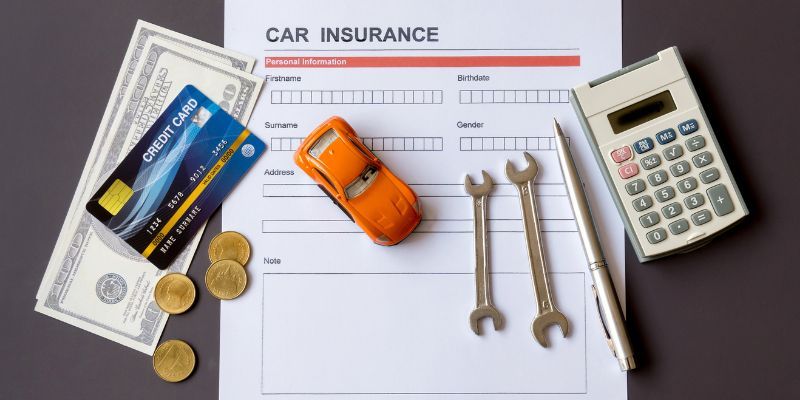
Your insurance premium is the amount of money that you pay to the insurance company for your policy. The amount of your premium is calculated based on a number of factors, including:
Your age:
Younger drivers are generally considered to be higher risk drivers, so they typically pay higher premiums.
Your driving record:
Drivers with a clean driving record will typically pay lower premiums than drivers with a history of accidents or traffic violations.
The type of car you drive:
More expensive and powerful cars typically cost more to insure.
Where you live:
Drivers who live in areas with high rates of car theft or accidents typically pay higher premiums.
What is insurance excess?
Your insurance excess is the amount of money that you have to pay out of pocket before your insurance company will start paying for a claim. The amount of your excess will vary depending on your insurance policy.
For example, if you have an insurance excess of £250 and you make a claim for £1,000, your insurance company will pay £750 and you will have to pay the remaining £250.

What is a no claims bonus?
A no claims bonus is a discount on your insurance premium that you earn for each year that you drive without making a claim. The longer you go without making a claim, the higher your no claims bonus will be.
An Important thing to note is that some insurers offer No Claims Discount (NCD) Protection With their policies, usually as an add on. It allows you to protect your no claims discount in the event of one at-fault accident a year.
No claims bonuses can be very valuable, so it is important to try to avoid making claims if possible.
Find Out More: How to Fix a Dent in Your Car